

HISTORICAL MUSEUM
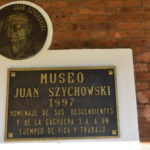
In August 1997, La Cachuera S.A. opened the Juan Szychowski Historical Museum, honoring the company’s founder and his remarkable contribution to the development of the region.
In recognition of its historical and cultural value, the museum was declared a Provincial Tourist Point of Interest in Misiones Province on February 17, 1999, through Resolution No. 021/99 issued by the Provincial Tourism Secretariat.
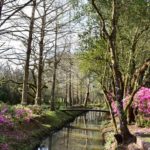
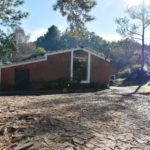
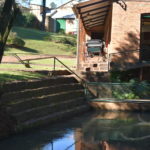
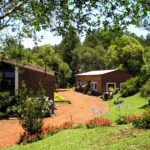
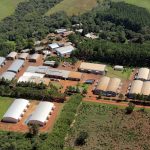
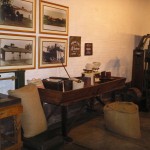
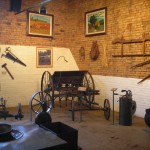
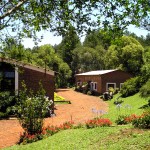
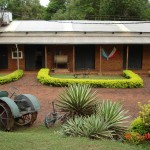
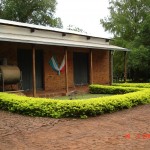
The museum is located in the very place where Juan Szychowski lived and worked, preserving the environment in which he developed his ideas, inventions and projects.
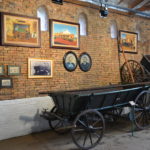
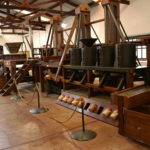
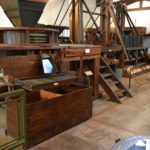
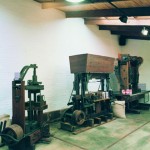
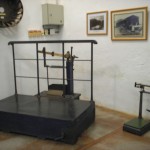
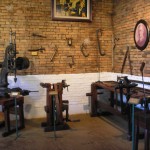
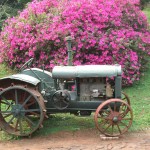
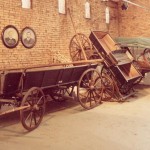
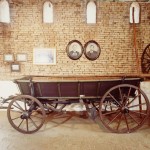
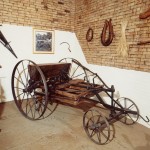
Visitors can step back in time and discover his life, work and legacy through the original machinery, tools and facilities that have been carefully preserved over the years.
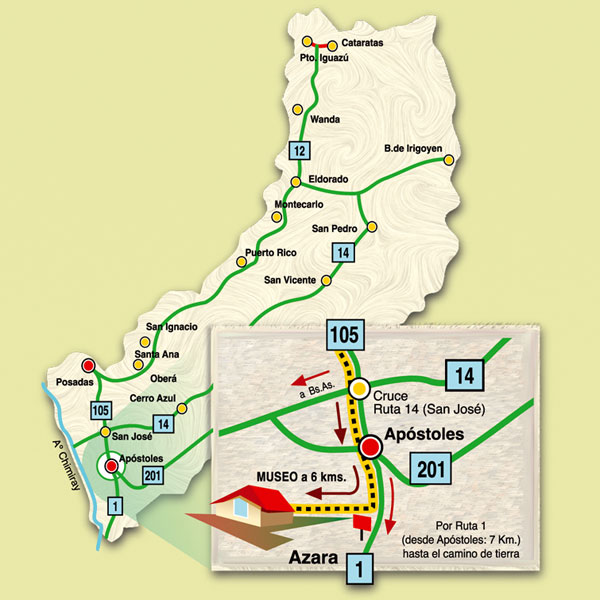
How to get to the Museum
We are located in Apóstoles, Misiones Province, Argentina.
His arrival in Apóstoles
Juan Szychowski was only 11 years old when he arrived in Argentina from Borszczów, Poland, accompanied by his parents, his siblings and more than twenty other families.
After spending some time in Buenos Aires, at the legendary Hotel de los Inmigrantes (Immigrants’ Hotel), the family traveled to the port of Posadas.
From there, they began a journey on foot that lasted several days, following carts carrying their few belongings until they reached the newly established Colony of Apóstoles, some 80 kilometers from Posadas.
Life in Apóstoles
Life was difficult for the early settlers, who were not accustomed to the region’s intense heat and mosquitoes.
The settlers also faced major challenges in growing their crops. Ants and capybaras destroyed corn plantations, and it took two years before they were able to produce enough food to make bread.
Their diet was mainly based on cassava, beans and sweet potatoes. They also relied on the abundant wildlife of the region as a source of meat.
Diseases such as malaria and cholera, as well as snakebites, claimed the lives of many children. At the same time, the crops and products they managed to obtain did not always provide enough income to compensate for their hard work.
Back to Buenos Aires
Discouraged by the many hardships they had experienced after settling in Misiones, the Szychowski family began considering the possibility of returning to Poland or moving to Canada.
In 1914, the young Juan traveled to Buenos Aires with his father, Julián, hoping to find work and earn enough money to begin a new life elsewhere.
They remained in Buenos Aires for eight months. However, the outbreak of the First World War prevented them from carrying out their plans.
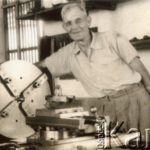
In Buenos Aires, Juan worked in a blacksmith’s shop. Nearby, he discovered a workshop that had a German precision lathe. Fascinated by the machine, he would stand at the workshop door for hours watching it work.
One day, the owner invited him inside and allowed him to work with the machine.
Juan carefully observed and memorized how it operated.
Returning to Apóstoles
Back in Apóstoles, Juan established his own blacksmith’s workshop and began building his first wooden lathe, using a steel milling tool powered by an animal-driven hoist.
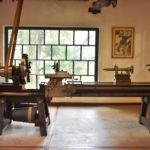
Working from this rudimentary machine, he spent three years building a precision lathe entirely out of metal, completing it in 1919.
It is believed to have been one of the first machines of its kind built in Argentina. Not a single component was purchased: Juan made, polished and filed all of its pulleys, gears and discs himself.
Even decades later, engineers would visit La Cachuera to admire the machine and marvel at how Juan, who had received only two years of primary education and had never been formally trained in mechanics, had managed to manufacture precisely calibrated gears, create his own measuring tools, draw technical plans and even design and build a dam across a powerful river.
Using this lathe, Juan went on to build the machinery needed to process and package yerba mate, as well as machinery for a rice and wheat mill and a cassava starch factory.
Looking for a power source
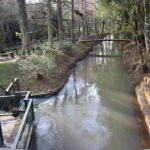
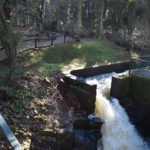
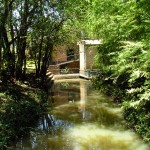
In the late 1920s, a dam was built across the Chimiray Stream to power a 6.5-meter-diameter water wheel.
The wheel was later replaced by the Kepler-type propeller that currently operates the generator, providing the power required by the two mills.
This remarkable engineering achievement was recognized by the National Senate of Argentina.
Recognition of his work
In late 1956, Frank Shorr, a journalist from National Geographic Magazine, visited the La Cachuera facilities.
After learning about Juan Szychowski’s work and spending considerable time talking with him, Shorr was so impressed by what he saw that he dedicated a fully illustrated article to Juan and his achievements.
As a result of this publication, in 1957 Juan Szychowski was named an Honorary Member of the National Geographic Society of the United States in recognition of his ingenuity, determination and achievements.


We are open
- Wednesday to Sunday and public holidays
- Hours: 10:00 a.m. – 5:30 p.m.
Contact
- Mail: [email protected]
- Whatsapp: https://wa.me/+5493758649135
- Facebook: Museo Histórico Juan Szychowski
Amanda © is a trademark of La Cachuera S.A.